Top 10 Biggest Data Breaches in History - What Can We Learn?
Discover the biggest data breaches in internet history. Learn what happened, what were the consequences, and what lessons we can draw from them for our own security.
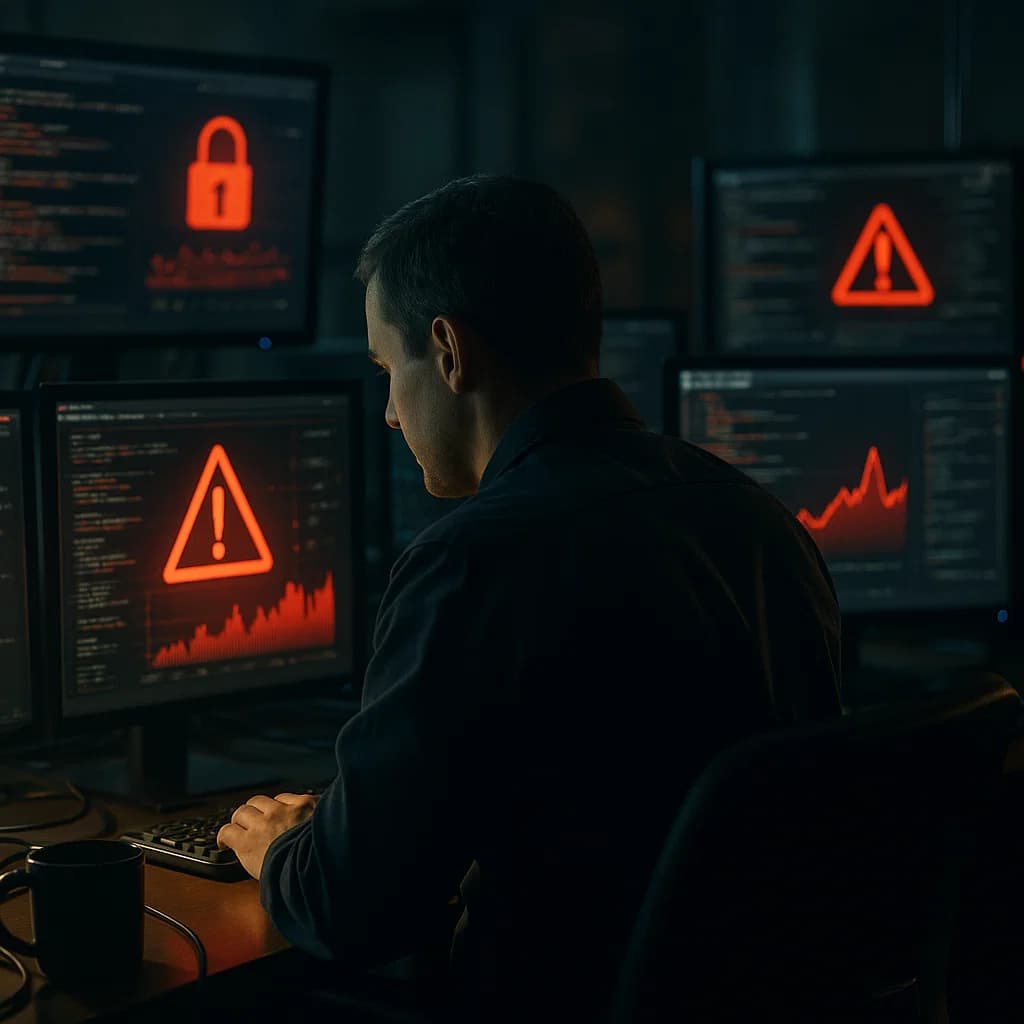
The history of the internet is also a history of data breaches. From the beginning of the digital era, there have been massive thefts of personal data affecting billions of people worldwide. According to the latest statistics, over 4,800 data breaches have already been recorded in 2025, averaging 13 incidents per day.
The biggest breaches in history show us that no company - not even the largest corporations - is safe. Facebook, Yahoo, LinkedIn, Adobe - all these giants have fallen victim to cybercriminals. What's worse, most breaches were detected only after months or years - on average 287 days without professional protection.
In this article, we'll present the 10 biggest data breaches in history, analyze what happened, what were the consequences, and what lessons we can learn from them.
1. Yahoo - 3 Billion Accounts (2013-2014)
What Happened?
Yahoo experienced the largest data breach in internet history. In 2013-2014, cybercriminals hacked into Yahoo's systems and stole data from 3 billion users - practically every account in the service.
Leaked data:
- Email addresses
- Passwords (encrypted, but weakly)
- Phone numbers
- Dates of birth
- Security questions and answers
Consequences
- Practically every Yahoo user was exposed - 3 billion accounts
- Yahoo hid the breach for years - users found out only in 2016-2017
- Data was sold on Dark Web en masse
- The breach affected Yahoo's sale to Verizon - price dropped by $350 million
- Millions of passwords were cracked - weak encryption
Lessons
- Transparency is key - hiding breaches only makes things worse
- Strong password encryption - passwords must be properly secured
- Quick detection - professional monitoring can detect breaches within 24h instead of years
2. Facebook - 533 Million Users (2021)
What Happened?
In April 2021, data from 533 million Facebook users was leaked and published on a hacker forum. The leak included user data from 106 countries, including 32 million from the USA and 11 million from the UK.
Leaked data:
- Names and surnames
- Phone numbers
- Email addresses
- Dates of birth
- Locations
- Partially biographical information
Consequences
- Millions of people exposed to phishing - criminals had phone numbers and emails
- Data used for identity theft
- Sold on Dark Web for fractions of cents per record
- Facebook did not notify users - the leak was detected by external researchers
Lessons
- Companies must notify users - even if the breach is old
- Limit data collection - don't collect more than you need
- Regular security audits - check if data hasn't leaked
3. LinkedIn - 700 Million Users (2021)
What Happened?
In June 2021, data from 700 million LinkedIn users (94% of all accounts) was leaked and published on Dark Web. A hacker sold the full database for about $7,000 in cryptocurrency.
Leaked data:
- Full professional profiles
- Email addresses
- Phone numbers
- Geographic locations
- Links to social media profiles
- Professional experience information
Consequences
- Criminals could create detailed victim profiles - perfect for spear phishing
- Data used for targeted phishing attacks
- Sold to recruitment companies and scammers
- Risk of professional identity theft
Lessons
- Professional profile is valuable data - criminals can exploit it
- Limit profile visibility - check privacy settings
- Beware of suspicious messages - especially if they contain details from your profile
4. Adobe - 153 Million Users (2013)
What Happened?
In October 2013, Adobe announced that cybercriminals had stolen data from 153 million users. The breach included not only personal data but also encrypted passwords and password hints.
Leaked data:
- Email addresses
- Encrypted passwords (weakly encrypted)
- Password hints
- Partially credit card numbers
Consequences
- Millions of passwords were cracked - weak encryption (ECB mode)
- Criminals used the same passwords for other user accounts
- Data was sold on Dark Web for years
- Adobe paid millions in compensation
Lessons
- Proper password encryption is crucial - use bcrypt, Argon2, not ECB
- Don't use the same password - if one account leaks, others are safe
- Password hints are a bad idea - they make it easier to crack passwords
5. Marriott International - 500 Million Guests (2014-2018)
What Happened?
Marriott International announced in November 2018 that the Starwood reservation system had been hacked, and data from 500 million guests had been stolen. The attack lasted 4 years (2014-2018) before being detected.
Leaked data:
- Names and surnames
- Email addresses
- Phone numbers
- Passport numbers
- Dates of birth
- Credit card numbers (partially)
- Reservation information
Consequences
- 4 years of undetected attack - criminals had full access
- Risk of identity theft - passport numbers are very sensitive data
- Marriott paid $123 million in fines and compensation
- Risk to travel security - passport data in unauthorized hands
Lessons
- Quick detection is crucial - 4 years is too long
- 24/7 monitoring - professional monitoring can detect attacks within 24h
- Limit data storage - don't store data longer than necessary
6. Equifax - 147 Million Americans (2017)
What Happened?
Equifax, one of the three largest credit bureaus in the USA, fell victim to a cyberattack in 2017. Data from 147 million Americans was leaked - almost half of the US population.
Leaked data:
- Names and surnames
- Social Security Numbers (SSN)
- Dates of birth
- Addresses
- Driver's license numbers
- Credit card numbers (partially)
Consequences
- Worst possible breach - SSN numbers are the key to identity in the USA
- Risk of identity theft on a massive scale
- Equifax paid $700 million in compensation
- Many people must monitor their credit for life
Lessons
- Credit bureaus are attractive targets - they have the most valuable data
- Credit monitoring is necessary - especially after a breach
- Credit freezing - consider freezing credit reports
7. eBay - 145 Million Users (2014)
What Happened?
In May 2014, eBay announced that cybercriminals had hacked into systems and stolen data from 145 million users. The attack lasted from late February to early March 2014.
Leaked data:
- Names and surnames
- Email addresses
- Physical addresses
- Phone numbers
- Dates of birth
- Passwords (encrypted)
Consequences
- eBay forced all users to change passwords
- Risk of fraud - criminals had addresses and phone numbers
- Loss of trust - users lost trust in the platform
- Stock price drop - short-term drop after announcement
Lessons
- Quick response is important - eBay quickly notified users
- Forcing password changes - good practice after a breach
- User communication - transparency builds trust
8. Target - 110 Million Customers (2013)
What Happened?
During the 2013 holiday season, Target, one of the largest retail chains in the USA, fell victim to a cyberattack. Data from 110 million customers was leaked, including 40 million credit card numbers.
Leaked data:
- Names and surnames
- Email addresses
- Phone numbers
- Credit card numbers
- CVV codes
- Card expiration dates
Consequences
- Massive card fraud - criminals had full card data
- Target paid $18.5 million in compensation
- Target CEO resigned - responsibility for the breach
- Loss of customer trust - many stopped shopping at Target
Lessons
- Protecting card data is crucial - PCI DSS compliance
- Transaction monitoring - quick detection of suspicious transactions
- Leader responsibility - CEO is responsible for security
9. Anthem - 78.8 Million Customers (2015)
What Happened?
Anthem, one of the largest insurance companies in the USA, fell victim to a cyberattack in 2015. Data from 78.8 million customers and employees was leaked.
Leaked data:
- Names and surnames
- Email addresses
- Physical addresses
- Social Security Numbers (SSN)
- Dates of birth
- Phone numbers
- Employment information
- Incomes
Consequences
- Very sensitive data - SSN, incomes, medical information
- Risk of identity theft on a massive scale
- Anthem paid $115 million in compensation
- Many people must monitor their data for life
Lessons
- Insurance companies are attractive targets - they have very sensitive data
- Medical data protection - HIPAA compliance is necessary
- Long-term monitoring - after SSN breach, monitoring is necessary forever
10. MySpace - 360 Million Accounts (2008-2016)
What Happened?
MySpace, once the most popular social platform, experienced a massive data breach. Data from 360 million accounts was leaked, stored in unencrypted form.
Leaked data:
- Email addresses
- Passwords (in plain text - unencrypted!)
- Usernames
- Dates of birth
Consequences
- Passwords in plain text - worst possible security practice
- Millions of passwords were immediately available - no need to crack
- Many users used the same passwords - risk for other accounts
- MySpace no longer exists - the breach was one of the factors in its downfall
Lessons
- NEVER store passwords in plain text - always use hashing
- Use strong hash functions - bcrypt, Argon2, not MD5
- Different passwords for different accounts - if one leaks, others are safe
Conclusions and Lessons from the Biggest Breaches
1. No Company is Safe
Even the largest corporations with huge security budgets fall victim to cybercriminals. Facebook, Yahoo, LinkedIn - all these giants have been hacked.
What this means for you:
- Don't assume your data is safe just because it's with large companies
- Regularly check for data breaches - Check free report on Privaro
- Use strong, unique passwords - if one account leaks, others are safe
2. Breach Detection Takes Too Long
Most breaches were detected only after months or years. Marriott - 4 years, Yahoo - hidden for years, Equifax - detected after months.
What this means for you:
- On average 287 days - that's how long it takes to detect a breach without professional protection
- Professional monitoring - Privaro offers detection within 24h
- Don't wait for company notification - they may hide the breach
3. Weak Encryption is a Disaster
Adobe, MySpace - passwords were weakly encrypted or not encrypted at all. This allowed criminals to easily crack millions of passwords.
What this means for you:
- Use strong, unique passwords - don't rely on company encryption
- Password manager - generates strong passwords and stores them securely
- 2FA everywhere - even if password leaks, 2FA protects
4. Transparency Builds Trust
Companies that quickly notified users (eBay) rebuilt trust faster than those that hid breaches (Yahoo).
What this means for you:
- Check yourself - don't wait for company notification
- Use professional monitoring - you'll receive notifications regardless of the company
- React quickly - if you learn about a breach, change passwords immediately
5. Personal Data is Very Valuable
Criminals sell data on Dark Web for fractions of cents per record, but on a scale of millions of records, that's huge profits.
What this means for you:
- Limit data sharing - don't provide more than necessary
- Check privacy settings - especially on social media
- Monitor your data - Privaro monitors Dark Web 24/7
What Can You Do to Protect Yourself?
1. Check If Your Data Has Been Breached
- Generate a free report on Privaro
- Check if your data is in known breach databases
- It takes less than 10 seconds
2. Enable Professional Monitoring
- Privaro offers 24/7 data breach monitoring
- You'll receive notifications within 24 hours of breach detection
- Instead of waiting 287 days, you'll know immediately
3. Use Strong, Unique Passwords
- Minimum 12 characters
- Mix of letters, numbers, and symbols
- Different passwords for each account
- Password manager (1Password, LastPass, Bitwarden)
4. Enable 2FA Everywhere
- Even if password leaks, 2FA protects
- Enable on all important accounts
- Use authorization apps
5. Monitor Your Accounts
- Regularly check bank transactions
- Check account activity
- Set up notifications for suspicious activity
Summary
The biggest data breaches in history show us that:
- No company is safe - even the largest corporations fall victim
- Detection takes too long - on average 287 days without professional protection
- Weak encryption is a disaster - passwords must be properly secured
- Transparency builds trust - quick notifications are crucial
- Personal data is very valuable - criminals make millions selling data
Don't wait until it's too late. Protect yourself now:
- Check if your data has been breached - Generate a free report on Privaro
- Enable professional monitoring - Privaro offers 24/7 monitoring
- Apply security rules - strong passwords, 2FA, regular checking
Your security is in your hands. Don't become another statistic.
This article was created by the Privaro team - experts in data protection and cybersecurity.
Powiązane posty
Dark Web Explained - Why Your Data Might Be There?
Learn what the Dark Web is, how it works, and why your personal data might end up there. A practical guide to the darkest side of the internet.
GDPR and Data Breaches - What Are Your Rights as a Consumer?
Learn what rights you have as a consumer in case of data breach according to GDPR. How to report breaches, claim compensation, and protect your data.
How to Protect Your Data Online - Comprehensive Guide 2025
Learn how to effectively protect your personal data from breaches, cyberattacks, and identity theft. Practical tips and best security practices.